When someone struggles with addiction, families often ask the same heartbreaking question:
"Why can't they just stop?"
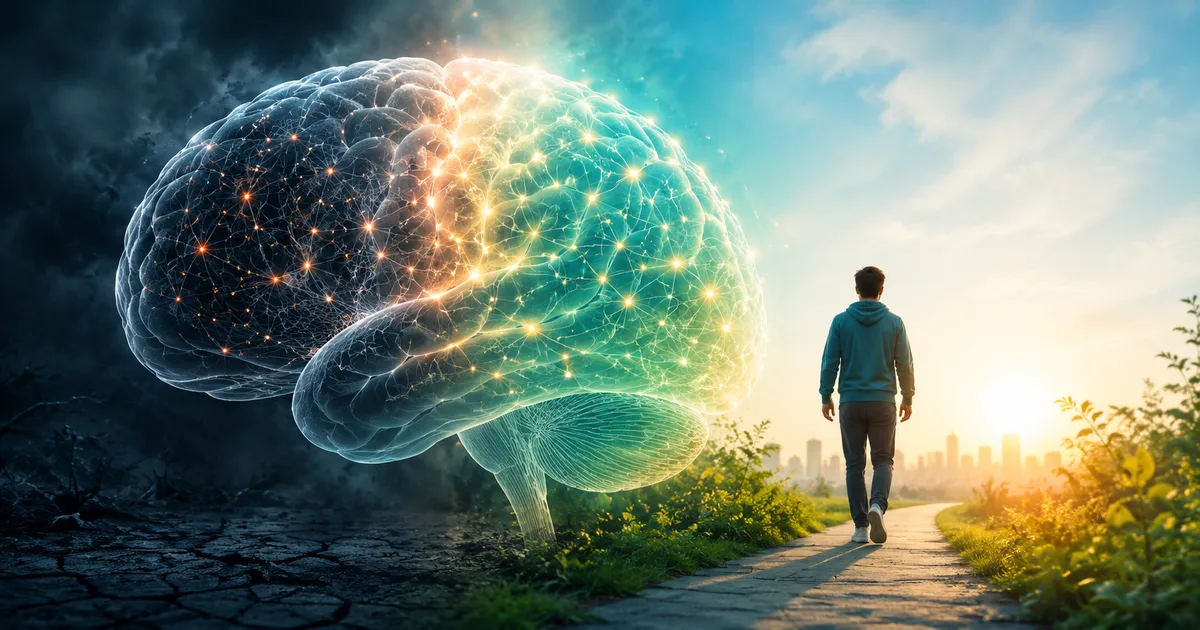
The answer is simple, but not easy. Addiction is not a failure of character or a lack of willpower. It is a medical condition that changes how the brain functions. Understanding these changes can replace judgment with compassion — and encourage people to seek help before addiction takes over their lives.
How Addiction Changes the Brain
Your brain is designed to reward healthy behaviors like eating, exercising, spending time with loved ones, and achieving goals. These activities release dopamine, a chemical that helps us experience pleasure and reinforces healthy habits.
Alcohol, opioids, cocaine, methamphetamine, nicotine, and other addictive substances overwhelm this reward system by producing dopamine levels far beyond what natural rewards create. Over time, the brain adapts by becoming less responsive to dopamine.
As a result, many people need increasing amounts of a substance just to feel normal. This process is known as tolerance.
Eventually, addiction becomes less about getting "high" and more about avoiding withdrawal, emotional pain, or intense cravings. As Harvard Health explains, addictive substances can effectively hijack the brain's reward pathways, reshaping motivation and behavior over time.
Why Quitting Is So Difficult
One of the biggest misconceptions about addiction is that people can simply stop if they try hard enough.
Modern neuroscience tells a different story.
Addiction changes the brain's learning and memory systems. Certain people, places, emotions, or stressful situations become linked with substance use. Months — or even years — after someone stops using, these triggers can activate powerful cravings.
This is why relapse can happen. It does not mean someone has failed. Like diabetes, asthma, or high blood pressure, addiction is a chronic medical condition that often requires ongoing treatment and support.
Recovery Is Possible
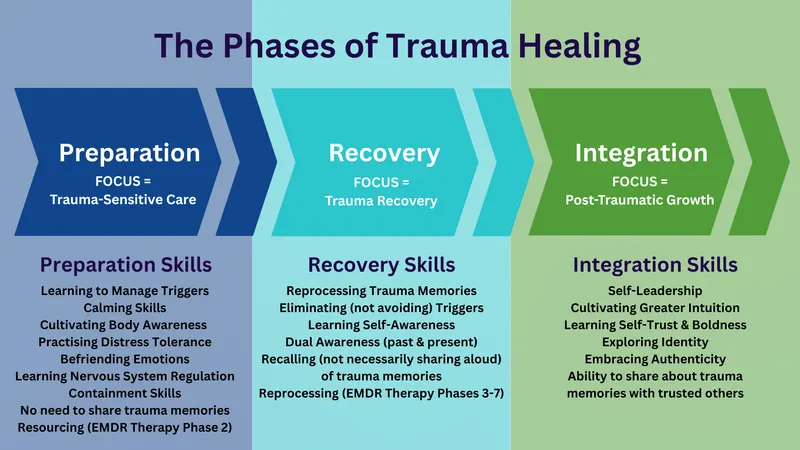
The encouraging news is that the brain can heal.
With evidence-based substance use treatment, many people regain control of their lives and rebuild healthy relationships, careers, and routines.
Treatment may include:
Recovery is not about being perfect. It is about making progress one step at a time.
You Don't Have to Face Addiction Alone
Whether addiction involves alcohol, opioids, prescription medications, marijuana, or another substance, help is available.
At RayMex Wellness, we understand that addiction affects the whole person — not just the behavior. Our approach combines compassionate psychiatric care with evidence-based treatment designed to address both substance use and the underlying mental health conditions that often accompany it, including anxiety, depression, PTSD, ADHD, and bipolar disorder.
We proudly provide secure telepsychiatry services throughout Massachusetts and Rhode Island, making it easier to access quality mental health care from the comfort and privacy of your home.
Seeking help is not a sign of weakness. It is one of the strongest decisions you can make.
Take the First Step Today
If you or someone you love is struggling with addiction or another mental health condition, don't wait until things become more difficult.
RayMex Wellness is currently accepting new patients for psychiatric evaluations, medication management, and ongoing mental health treatment through secure telehealth appointments across Massachusetts and Rhode Island. Our care is led by a board-certified psychiatric mental health nurse practitioner (PMHNP) who treats each person with dignity and respect.
Schedule your confidential appointment today and begin your journey toward recovery.
Need Help With Addiction or Mental Health?
RayMex Wellness provides compassionate, evidence-based psychiatric care for addiction, anxiety, depression, PTSD, ADHD, bipolar disorder, and related conditions — all through convenient, secure telehealth in Massachusetts and Rhode Island.
Book an Appointment today, or Contact Us if you have questions and want to talk with our team first.
This article is for educational purposes only and is not a substitute for professional medical advice. If you are experiencing a mental health emergency, call 911 or the Suicide & Crisis Lifeline at 988.