A cancer diagnosis can change your entire world in a single sentence. In one moment, the future you imagined shifts, and you are suddenly facing appointments, decisions, and fears you never expected. It is no surprise, then, that cancer and mental health are closely connected. The emotional weight of cancer can be just as heavy as the physical illness itself.
Research shows that roughly 1 in 3 cancer patients develops clinically significant depression or anxiety at some point during their journey. Yet these emotional struggles are often overlooked while attention focuses on scans, surgeries, and treatment plans. At RayMex Wellness, we believe caring for the mind is an essential part of caring for the whole person. Serving patients across Massachusetts and Rhode Island, we provide compassionate, judgment-free psychiatric support for those living with cancer — and for the families who love them.
The Mental Health Impact of a Cancer Diagnosis
Hearing the words "you have cancer" sets off a cascade of emotions. There is no right or wrong way to feel, and reactions often come in waves. Common responses include:
These feelings are a natural human response to an overwhelming situation. But when they linger, deepen, or begin to interfere with daily life, they may signal something more serious. Understanding the link between cancer and mental health is the first step toward getting the right support at the right time.
Depression in Cancer Patients
Depression is roughly three times more common in people with cancer than in the general population. Depression after cancer diagnosis is not simply "feeling down" — it is a medical condition that can affect energy, motivation, sleep, and the will to keep fighting.
This matters far beyond mood. Untreated depression is linked to poorer treatment adherence, longer recovery times, and reduced quality of life. Patients who are depressed may be less likely to attend appointments, take medications as prescribed, or maintain the nutrition and rest their bodies need to heal.
Signs of depression to watch for include:
If these symptoms sound familiar, you are not alone — and effective help exists. Our mental health services are designed to meet you exactly where you are.
Anxiety and Cancer
Anxiety is one of the most common emotional experiences during cancer, with studies suggesting that up to 40% of patients experience significant anxiety. Anxiety in cancer patients often takes specific, recognizable forms:
This kind of anxiety can make it hard to sleep, concentrate, or simply enjoy good days. Left unaddressed, it can erode quality of life during and long after treatment. The good news is that anxiety responds very well to psychiatric care, therapy, and — when appropriate — medication.
PTSD After Cancer
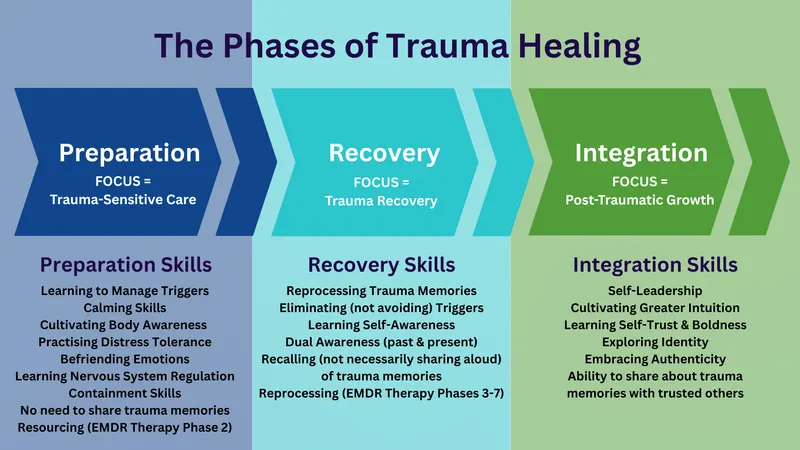
Many people are surprised to learn that cancer can be a genuinely traumatic experience. Studies estimate that up to 35% of cancer survivors experience symptoms of post-traumatic stress. For PTSD cancer survivors, the illness and its treatment can leave lasting emotional scars that surface even after the body has healed.
Symptoms of cancer-related PTSD may include:
These responses are the mind’s way of trying to protect you — but they can trap you in a cycle of fear. Specialized psychiatric care can help you process what happened and move toward a sense of safety again.
How Cancer Affects Families and Caregivers Too
Cancer is never faced by one person alone. Spouses, parents, children, and close friends often carry an enormous emotional load. Caregivers may put their own needs aside for months, leading to exhaustion, resentment, guilt, and a very real condition known as caregiver burnout.
Family members frequently experience their own depression and anxiety, yet rarely give themselves permission to seek help. Recognizing that cancer and mental health affect the entire family — not just the patient — opens the door to healing for everyone. Caring for yourself is not selfish; it is what allows you to keep showing up for the person you love.
Why Mental Health Treatment Matters for Cancer Outcomes
Supporting mental health is not a luxury — it is a meaningful part of cancer care. Research increasingly shows that emotional well-being influences physical outcomes:
Attending to cancer and mental health together gives patients the strongest possible foundation for healing. That is why mental health support in Massachusetts should be woven into cancer care from the very beginning — not treated as an afterthought.
How RayMex Wellness Can Help
At RayMex Wellness, our practice is led by Nnemeka "Mex" Okpala, a board-certified psychiatric nurse practitioner (PMHNP-BC). He and our clinical team understand the deep connection between cancer and mental health, providing warm, personalized care for patients navigating the illness and its emotional aftermath. Our services include:
We offer in-person appointments in Stoughton and Attleboro, Massachusetts, and secure telehealth visits across Massachusetts and Rhode Island. No referral is required to get started, and we work alongside your oncology team so your care feels connected, not fragmented.
You Don’t Have to Face This Alone
Whether you are newly diagnosed, in the middle of treatment, or years into survivorship, your emotional health matters — and support is within reach. You do not have to be "strong enough" to do this by yourself.
Call RayMex Wellness at (617) 419-0482 or book an appointment online to get started. New patients can take advantage of a free 15-minute consultation to see if we are the right fit. Healing is a right — not a privilege.
Sources
Written by the clinical team at RayMex Wellness LLC, led by Nnemeka Okpala, PMHNP-BC, a board-certified psychiatric nurse practitioner serving Massachusetts and Rhode Island.
This article is for educational purposes only and is not a substitute for professional medical advice, diagnosis, or treatment. If you are experiencing a mental health emergency or thoughts of self-harm, call 911 or the Suicide & Crisis Lifeline at 988.